
Application
Vulernability Assessment & Penetration Testing
Application Security
Application security is the process of developing, adding, and testing security features within applications to prevent security vulnerabilities against threats such as unauthorized access and modification.
Different types of application security features include authentication, authorization, encryption, logging, and application security testing. Developers can also code applications to reduce security vulnerabilities.
Secure Coding
"Secure coding is the practice of developing computer software in a way that guards against the accidental introduction of security vulnerabilities. Defects, bugs and logic flaws are consistently the primary cause of commonly exploited software vulnerabilities".
Simply, secure coding is the practice of writing software that's protected from vulnerabilities without leaving a loop hole for a attacker.
By identifying the insecure coding practices that lead to these errors, we educate developers of the organization on secure alternatives to take proactive steps to help significantly reduce or eliminate vulnerabilities in software before deployment.
Code Review
Code Review is an integral process of software development that helps identify bugs and defects before the testing phase. Code review is often overlooked as an ongoing practice during the development phase, but countless studies show it's the most effective quality assurance strategy.
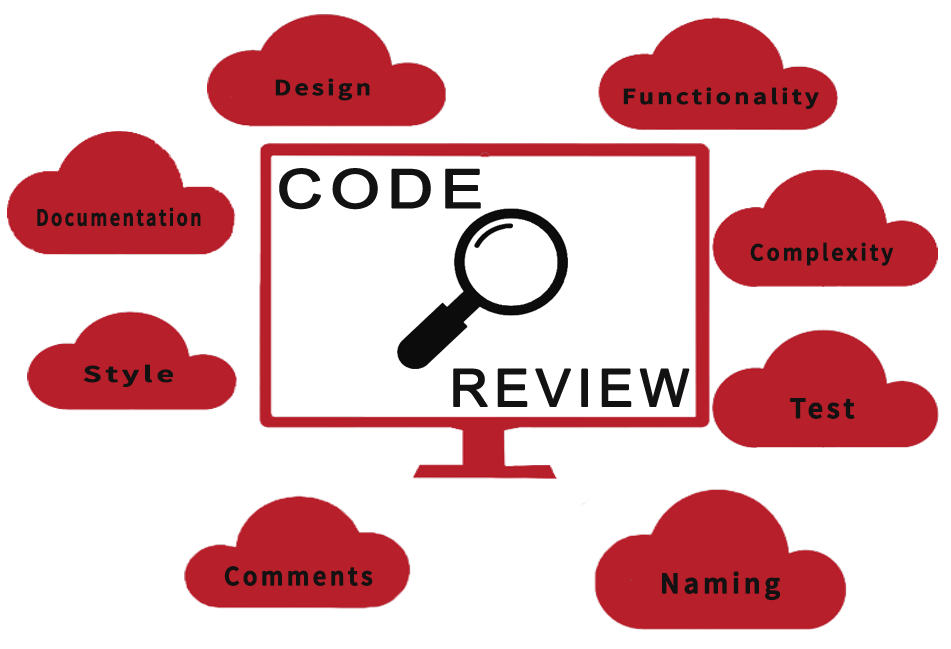
Our code review process will look at:
Design - Is the code well-designed and appropriate for your system?
Functionality - Does the code behave as the author likely intended?
Complexity - Could the code be made simpler?
Tests - Does the code have correct and well-designed automated tests?
Naming - Did developer choose clear names for variables, classes, etc.?
Comments - Are the comments clear and useful?
Style - Does the code follow our style guides?
Documentation - Did developer also update relevant documentation?
Other Services